When it comes to choosing the right Silver Coated Catheter in this ever-changing world of medical devices, it’s pretty important—not just for safety but also for your patient's comfort. I mean, Dr. Emily Carter, a well-known expert in urology and catheter tech, once said, “Getting the right catheter isn’t just about cutting infection risks; it’s also about making the whole experience better for the patient.” That really hits home, right? It’s a good reminder that knowing what options are out there and how they match up with each patient’s unique situation can make all the difference.
Silver Coated Catheters have become quite popular lately because of their antimicrobial properties—they help cut down on urinary tract infections related to catheters, known as CAUTIs. As healthcare providers put more focus on infection control, picking the right catheter becomes more crucial than ever. Things like the coating tech, size, and what materials are used are all key factors to think about. By making smart, informed choices—taking advice from experts and considering clinical evidence—you can really make sure your patients get the best care possible while also avoiding complications.
In this guide, we’re gonna walk through what to look at when choosing a Silver Coated Catheter. We’ll cover materials, how to use them, and what each patient might need. With a little knowledge and some good understanding, you’ll be making decisions that not only protect patient health but also make them feel more comfortable. And honestly, isn’t that what good care is all about?
Understanding Silver Coated Catheters and Their Benefits
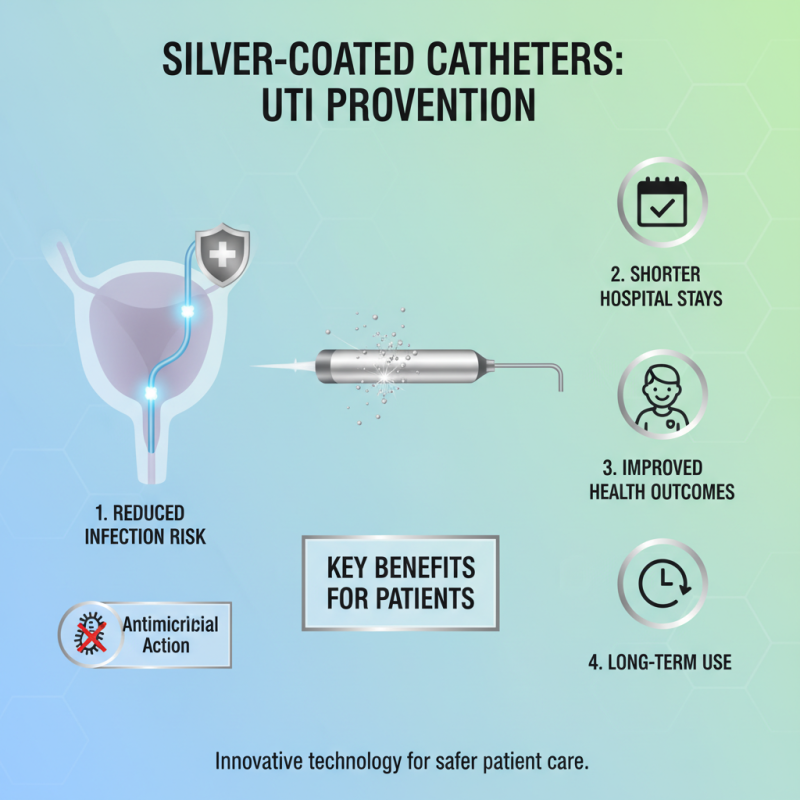
Silver coated catheters are a specialized medical tool designed to reduce the risk of urinary tract infections (UTIs) associated with catheter use. The silver coating acts as an antimicrobial agent, inhibiting the growth of bacteria on the catheter's surface. This technology is particularly useful for patients who require long-term catheterization, as it significantly decreases the chances of infection, leading to better health outcomes and shorter hospital stays.
When selecting a silver coated catheter, it is essential to consider factors such as the catheter size, duration of use, and the patient's overall health condition. The right fit ensures comfort and effectiveness while minimizing potential complications. Additionally, patients should be aware of their specific medical needs, as some may benefit from catheters designed for intermittent use, while others might require indwelling options for longer periods.
**Tips for Choosing the Right Catheter:**
- Always consult with a healthcare professional to determine the most appropriate size and type for your condition.
- Evaluate materials and designs that promote ease of insertion and comfort during use.
- Consider the sterility and handling of the catheter to ensure the best infection prevention methods are in place, as well as ease of application for caregivers.
Key Factors to Consider When Selecting a Silver Coated Catheter
When selecting a silver-coated catheter, several key factors should be taken into account to ensure optimal patient care and outcomes. First, it is crucial to consider the type of procedure for which the catheter will be used. According to a report by the Association for Professionals in Infection Control and Epidemiology (APIC), catheters are a frequent source of hospital-acquired infections, with catheter-associated urinary tract infections accounting for approximately 30% of all hospital-acquired infections. The use of silver-coated catheters has been shown to reduce the risk of infection significantly—studies indicate that these catheters can lower bacterial colonization by up to 90%. Therefore, understanding the specific clinical situation can aid in determining the necessity of using silver-coated options.
Another important factor is the duration of catheterization. Research published in the Journal of Urology highlights that longer indwelling catheterization periods are directly correlated with increased infection rates. Silver-coated catheters are specifically designed to provide sustained antimicrobial action, which is beneficial for patients requiring long-term catheterization. Additionally, it is essential to evaluate the size and type of catheter needed, as these attributes directly impact patient comfort and catheter efficacy. A systematic review indicated that selecting the appropriate catheter size and minimizing trauma during insertion can further reduce the risk of complications, including infections and patient discomfort. By considering these factors, healthcare providers can make informed decisions when selecting a silver-coated catheter, ultimately improving patient safety and treatment outcomes.
Different Types of Silver Coated Catheters Available in the Market
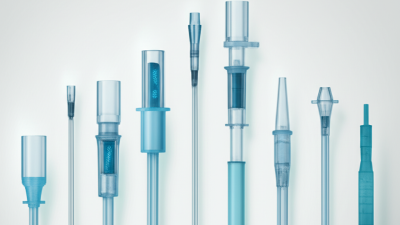
When selecting the right silver-coated catheter, it’s essential to consider the various types available in the market. Silver-coated catheters are designed to reduce the risk of urinary tract infections, and they come in several configurations. The two primary types are intermittent catheters, used for regular drainage at scheduled intervals, and indwelling catheters, which remain in place for a longer duration. Additionally, catheters may vary in size, material, and coating thickness, all of which can affect performance and patient comfort.
Tips for choosing the right catheter include assessing your specific medical needs and consulting with a healthcare provider. Understanding the frequency of use and the duration of catheterization will help in selecting between intermittent and indwelling options. Also, consider the materials used in the catheter’s construction; some patients may be allergic to certain types of plastic or silicone.
Another important consideration is the catheter's coating. Silver coatings vary in thickness and effectiveness, so it's crucial to inquire about the antimicrobial properties and how they can aid in infection prevention. Familiarizing yourself with these options ensures a more tailored approach to catheter use, promoting better health outcomes.
Comparison of Different Types of Silver Coated Catheters
Assessing the Quality and Safety Standards of Catheters
When selecting the appropriate silver-coated catheter for your clinical needs, it is crucial to assess the quality and safety standards of the product. According to the Centers for Disease Control and Prevention (CDC), catheter-associated urinary tract infections (CAUTIs) account for approximately 32% of all hospital-associated infections, underscoring the importance of choosing catheters that meet stringent safety standards. Silver-coated catheters have become increasingly popular due to their antimicrobial properties, which can significantly reduce the risk of infections. Research published in the Journal of Urology indicates that silver coatings can decrease bacterial adhesion by up to 99%, showcasing their effectiveness in promoting patient safety.
In evaluating catheter quality, certifications such as ISO 13485 and FDA approval are essential indicators of a manufacturer’s commitment to quality management and regulatory compliance. These certifications ensure that the production processes adhere to high standards, providing confidence regarding the device's safety and reliability. Furthermore, clinical studies demonstrate that silver-coated catheters not only lower infection rates but also reduce the need for antibiotics, thereby minimizing the risk of antibiotic resistance—an increasingly critical concern in healthcare. By carefully assessing these quality markers and safety features, healthcare providers can make informed decisions that enhance patient care and outcomes.
How to Choose the Right Silver Coated Catheter for Your Needs - Assessing the Quality and Safety Standards of Catheters
| Catheter Type | Material | Coating | Length (cm) | Gauge Size | Sterilization Method | Safety Standards |
| Foley Catheter | Polyurethane | Silver Coated | 40 | 16 Fr | Ethylene Oxide | ISO 13485 |
| Intermittent Catheter | Silicone | Hydrophilic Coated | 30 | 14 Fr | Radiation | CE Marked |
| Coudé Catheter | PVC | Silver Coated | 35 | 12 Fr | Steam Sterilization | FDA Approved |
Evaluating Cost vs. Benefits of Silver Coated Catheters
When considering the purchase of silver coated catheters, evaluating the cost versus benefits is essential for making informed decisions. Silver coated catheters are known for their antimicrobial properties, which play a crucial role in reducing the risk of catheter-associated urinary tract infections (CAUTIs). Data from the Centers for Disease Control and Prevention (CDC) indicate that CAUTIs account for approximately 31% of all hospital-acquired infections, leading to extended hospital stays and increased healthcare costs. Studies have demonstrated that the use of silver coated catheters can lead to a significant reduction in infection rates, thus potentially lowering overall healthcare expenditure.
Moreover, while silver coated catheters may have a higher upfront cost compared to standard catheters, the long-term benefits must be considered. A report from the Healthcare Cost and Utilization Project (HCUP) suggests that treating a single CAUTI can exceed $1,000 on average in clinical settings. By utilizing silver coated catheters and reducing infection risks, healthcare providers can not only improve patient outcomes but also achieve considerable cost savings in the long run. Given these factors, healthcare organizations should assess their catheter selection based on both immediate and future financial implications, as well as the quality of care provided to patients.
Consulting with Healthcare Professionals for Advice
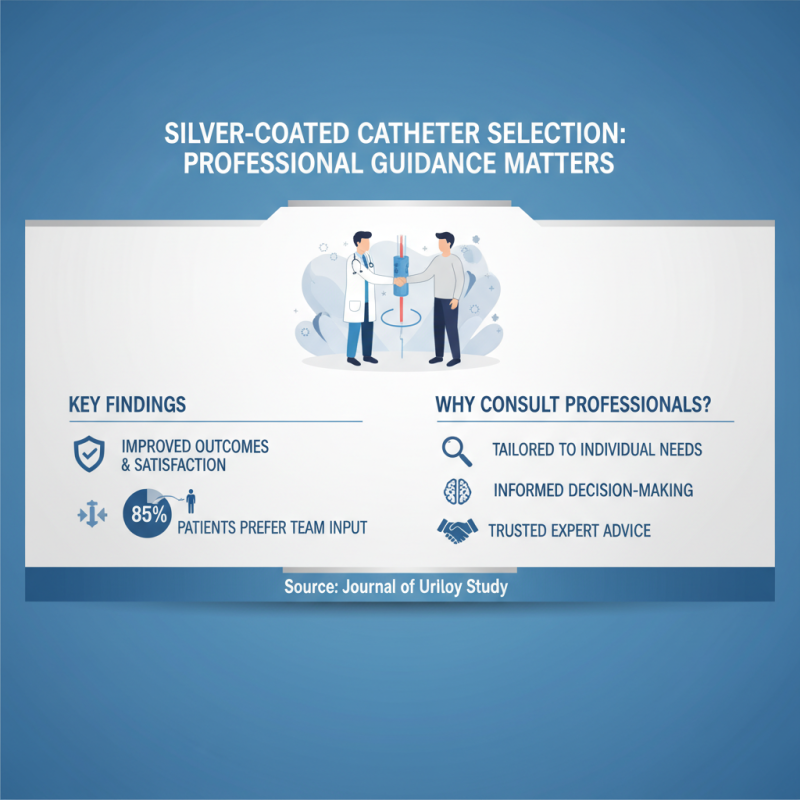
When selecting the right silver-coated catheter, consulting with healthcare professionals plays a crucial role in ensuring an appropriate choice tailored to individual needs. A study published in the Journal of Urology highlighted that healthcare providers who actively engage with their patients in the decision-making process lead to improved outcomes and satisfaction rates. Notably, it was found that 85% of patients expressed a preference for involving their healthcare team during the selection of catheters, emphasizing the importance of professional guidance.
Healthcare professionals are equipped with the knowledge and experience needed to recommend the most suitable silver-coated catheter based on specific medical conditions, patient history, and individual lifestyle requirements. The National Institute for Health and Care Excellence (NICE) provides comprehensive guidelines on catheter management, emphasizing that proper selection can significantly reduce the risk of catheter-associated urinary tract infections (CAUTIs) by up to 70%. As such, leveraging the expertise of healthcare professionals not only aids in achieving optimal health outcomes but also enhances patient confidence and compliance with catheter protocols.
Ensuring Proper Care and Maintenance for Longevity
Proper care and maintenance of silver-coated catheters are essential for ensuring their longevity and functionality. Silver-coated catheters are designed to minimize the risk of infection and improve patient outcomes, but they require careful handling to maintain their properties. Regular inspection for any signs of wear, such as cracks or discoloration, is crucial. It is also important to follow sterilization protocols before each use to prevent contamination and preserve the integrity of the silver coating.
Additionally, patient education is key to maintaining the catheter’s effectiveness. Users should be instructed on the importance of maintaining a clean environment during catheter insertion and use. This includes washing hands thoroughly and utilizing proper barrier techniques. Hydration is another important factor; ensuring adequate fluid intake can help to reduce the likelihood of blockages and other complications. By taking these steps, users can significantly enhance the lifespan and efficacy of their silver-coated catheters, facilitating better health outcomes.
Emerging Trends and Data Insights in Short Term Hemodialysis Catheters: Enhancing Patient Outcomes and Market Growth
The use of short-term hemodialysis catheters has become increasingly vital in the management of acute kidney injury and situations requiring immediate hemodialysis intervention. These medical devices facilitate essential vascular access, allowing healthcare professionals to deliver timely treatment to patients in emergency scenarios. Typically inserted into large central veins such as the jugular, subclavian, or femoral vein, short-term catheters are designed for use over a brief period, usually from a few days up to several weeks. This design ensures that patients receive Critical Care while awaiting more permanent vascular access solutions, such as arteriovenous fistulas or grafts.
Emerging trends in the development and application of short-term hemoDialysis Catheters underscore a commitment to enhancing patient outcomes. Innovations focus on improving catheter designs to minimize complications, such as infections or thrombosis, which can arise from prolonged use. Data insights reveal that the adoption of these advanced catheters not only enhances patient safety but also contributes to more efficient treatment protocols. As the demand for immediate hemodialysis continues to rise, understanding these trends is crucial for healthcare providers and institutions aiming to improve patient care and outcomes while also promoting market growth in this essential medical sector.
FAQS
: The two primary types of silver-coated catheters are intermittent catheters, which are used for regular drainage at scheduled intervals, and indwelling catheters, which remain in place for a longer duration.
Consulting healthcare professionals is crucial as they provide expert guidance tailored to individual medical needs, ensuring optimal catheter selection and improving patient outcomes and satisfaction rates.
The thickness and effectiveness of the silver coating can influence its antimicrobial properties, which are essential for infection prevention, making it important to inquire about these factors when selecting a catheter.
It's important to consider potential allergies to materials like certain plastics or silicone, as some patients may have sensitivities that could affect their comfort and use of the catheter.
Proper care, including regular inspections for wear, following sterilization protocols, and maintaining a clean environment, is essential for preserving the catheter's integrity and effectiveness, ultimately enhancing its longevity.
Adequate fluid intake is important as it helps reduce the likelihood of blockages and complications, thereby contributing to better health outcomes when using a catheter.
Educating patients on best practices, such as hand hygiene and barrier techniques during catheter insertion, is key to minimizing infection risks and improving overall catheter performance.
Comprehensive guidelines from health authorities emphasize that proper catheter selection and management are crucial in reducing the risk of catheter-associated urinary tract infections significantly.
Studies have shown that involving patients in the decision-making process leads to improved satisfaction rates and health outcomes, with many preferring to engage with their healthcare teams during selection.
Assessing individual medical needs and discussing them with a healthcare provider will help determine the appropriate frequency of use and the type of catheter (intermittent or indwelling) suited for the patient's situation.
Conclusion
When selecting a Silver Coated Catheter, it is essential to understand its unique benefits, including antimicrobial properties that reduce infection risks. Key factors to consider include the specific medical needs of the patient, the type of catheter required, and the material quality. Different varieties of silver coated catheters are available in the market, each designed for specific applications and patient profiles.
Evaluating the safety standards and quality certifications of these catheters is crucial to ensure reliability. Furthermore, assessing the cost versus benefits can help in making an informed decision. It is advisable to consult with healthcare professionals who can provide personalized recommendations based on individual health requirements. Lastly, proper care and maintenance are vital for enhancing the longevity of a Silver Coated Catheter, ensuring optimal performance and patient safety.